The Benefits of Cone Beam X-ray Technology for Precise Dental Implants
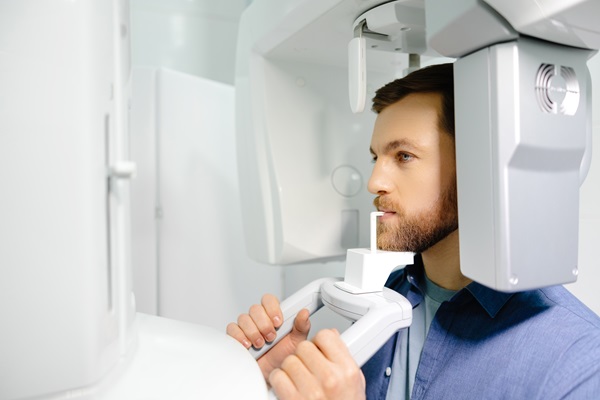
Placing dental implants takes precise planning and movement and ensures long-lasting, successful results. Cone beam X-ray technology is essential for oral surgeons during dental implant placements. This technology provides detailed, three-dimensional images of the oral and facial structures.
Improved accuracy in implant planning
Cone beam X-ray technology offers a significant advantage in dental implant procedures by producing highly accurate three-dimensional images of the jaw, teeth, and surrounding structures. This detailed imaging helps the oral surgeon precisely locate implant placement while avoiding nerves and blood vessels. Improving placement accuracy reduces the risk of postoperative complications and improves the longevity of the patient's dental implants.
Reduced exposure to radiation
Patient safety is a priority in any medical procedure. Cone beam X-ray technology helps minimize radiation exposure compared to conventional CT scans. The oral surgeon team can focus the X-ray beam to specifically target the treatment area, reducing the risk of radiation needed to obtain a detailed image. This is particularly beneficial for patients who may need multiple images for complex tooth replacement cases. Oral surgeons can use this technology to obtain precise images while keeping the patient's exposure to radiation as low as possible.
Improved diagnostic capability
Cone beam X-ray technology allows oral surgeons to view and analyze complex structures within the patient's mouth, including bone density, root structures, and the nasal cavity or sinus spaces. These insights are essential for assessing the overall health and stability of a patient's jaw and teeth before implant placement. By improving diagnostic capabilities, the oral surgeon can identify underlying conditions, such as bone loss or oral cysts, that may affect the success of dental implants. With this information, the surgeon can customize the treatment plan, giving patients a higher chance of a successful implant outcome.
A more efficient treatment process
The detailed images of cone beam X-ray technology allow the oral surgeon to plan the entire procedure more efficiently. The surgeon can minimize their patient's time in the dental chair by identifying the ideal implant site before the procedure. It also allows them to avoid unnecessary exploratory procedures during the placement surgery.
Moreover, precise treatment planning helps the surgeon select the correct size and type of implant. This may shorten the patient's healing time and overall comfort. Cone beam X-ray technology streamlines the process for greater efficiency, comfort, and overall treatment outcomes.
Better patient communication and understanding
While cone beam X-ray images primarily benefit oral surgeons before, during, and after dental implant treatment, they also serve as valuable tools for educating patients. High-quality 3D images can help patients better understand the anatomy of their mouth and the proposed treatment plan. When patients can see and comprehend the complexities of their implant procedure, they may feel more confident and engaged in decisions about their treatment. This transparency and communication fosters trust between the patient and the oral surgeon, often resulting in a more positive treatment experience overall.
Learn more about cone beam X-ray technology
Cone beam X-ray technology has transformed how oral surgeons approach dental implant placement. Premier Oral Surgery offers cone bream X-ray technology in the Norwalk area. Call our office to learn more or to schedule a consultation.
Request an appointment here: https://www.premieroralsurgeryct.com or call Premier Oral Surgery at (203) 945-0049 for an appointment in our Norwalk office.
Check out what others are saying about our services on Yelp: Cone Beam X-ray in Norwalk, CT.
Related Posts
A sinus lift procedure goes by many other names, including sinus elevation, sinus augmentation, and sinus graft. It can be an important step in the process of having a dental implant placed in the upper jaw to replace a missing tooth. The procedure involves raising the floor of one of the maxillary sinuses and filling…
Bone grafting is a minor surgical treatment done under local anesthetic to replace depleted bone tissue. The grafting material may be inserted into a tooth socket just after a tooth is removed or at a location where a tooth has been absent for an extended period. Over the next few months, your body will produce…
If non-surgical methods cannot treat a patient's oral health issue, the patient may be a candidate for oral surgery. These procedures can include anything from a simple tooth extraction to a more complex procedure such as jaw surgery. However, besides need, patients must also fit other important criteria. Here are some key points patients should…
What patients do during the recovery period after oral surgery is an important part of the procedure's success. Though each patient's aftercare instructions and timeframe may look different, there are some universal similarities. Most importantly, patients should know the recovery timeline, be aware of possible complications, and understand how to care for themselves during this…