Why an Oral Surgeon May Recommend Botox
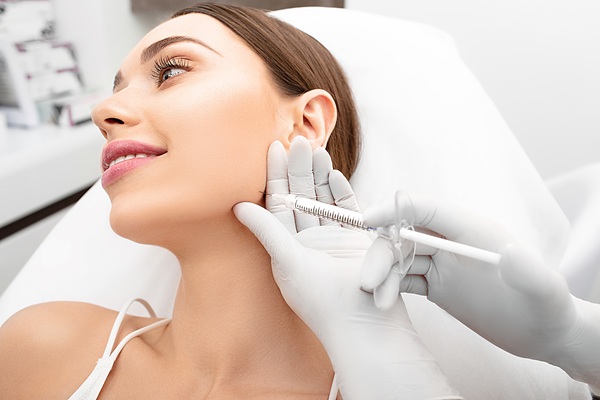
Botox® (botulinum toxin type A) can play a supportive role in oral and maxillofacial care when muscle-driven jaw and facial conditions do not respond well to first-line therapies. Oral surgeons sometimes use Botox to reduce excessive muscle activity, calm painful muscle trigger patterns, and support functional recovery in carefully selected cases. Botox works by inhibiting acetylcholine release at the neuromuscular junction, temporarily weakening targeted muscles and reducing overactivity.
Refractory jaw muscle pain and myofascial TMD
A common reason for Botox in an oral surgery setting involves persistent jaw muscle pain, often called masticatory myalgia or myofascial temporomandibular disorder (TMD). Many patients improve with conservative care such as habit modification, anti-inflammatory guidance, physical therapy, splints, and stress reduction strategies. According to a study published in MDPI, a medical open-access journal, when pain persists despite a thorough conservative plan, botulinum toxin injections into the masticatory muscles may reduce pain and improve jaw function for certain patients. However, the overall evidence remains mixed across the broader literature.
Bruxism and jaw clenching that overload the bite
Teeth grinding and clenching can overload the jaw muscles, leading to morning soreness, headaches, tooth wear, and flare-ups of jaw pain. Oral surgeons may recommend Botox when severe clenching continues despite protective approaches such as night guards, behavioral strategies, and management of contributing sleep or stress factors. Still, outcomes vary, and providers should align recommendations with the best available evidence and individual risk factors.
Masseter hypertrophy and facial pain from muscle overuse
Some patients develop enlarged masseter muscles from chronic overuse, which can contribute to facial fullness and discomfort, as well as fatigue during chewing. Botox can reduce muscle hyperactivity and, over time, may lessen the functional strain that drives pain. Oral surgeons generally evaluate bite forces, parafunctional habits, airway and sleep factors, and joint health before using injections, because treating the muscle alone rarely addresses the full cause of overload. Reviews of maxillofacial applications describe this use as part of a broader plan that includes habit and load management.
Safety, side effects, and why training matters
Botox has known risks that require careful dosing, precise anatomy, and appropriate patient selection. The FDA labeling includes warnings that effects can spread beyond the injection site and may cause symptoms such as generalized weakness, drooping eyelids, difficulty swallowing, and breathing problems, which can occur hours to weeks after injection.
Oral surgeons screen for factors that raise risk, including certain neuromuscular disorders and medication interactions, and they provide clear instructions on when to seek urgent evaluation. Common localized effects can include soreness, bruising, and temporary weakness in nearby muscles, which is why injection placement and dosing strategy matter.
Call us for more information
An oral surgeon may recommend Botox for persistent jaw muscle pain, severe clenching-related symptoms, or masseter overuse patterns when conservative strategies do not provide enough relief. It can reduce targeted muscle hyperactivity and support function, but outcomes depend on accurate diagnosis, comprehensive care planning, and safe technique. For more information or to schedule an appointment, call our office.
To schedule a consultation, please request an appointment on our website at https://www.premieroralsurgeryct.com or call Premier Oral Surgery at (203) 945-0049 to arrange an appointment at our Norwalk office.
Check out what others are saying about our services on Yelp: Botox in Norwalk, CT.
Related Posts
Research shows that Botox™ appeals to both men and women. Many individuals want to battle the signs of aging. This common treatment helps them look years younger without going under the knife. Learning when to get Botox from your oral surgeon can help you prepare for treatment day.Jaw clenching or teeth grinding at night is…
Dental Botox® is an alternative treatment approach for TMJ disorder and related pain and jaw tension. The treatment entails injecting Botox into the facial muscles causing the pain and soreness. The injection can also alleviate headaches caused by teeth grinding and a locked jaw. This article talks about the use of dental Botox® for relieving…
Appearance may be one of the first things people think about when it comes to tooth replacement. However, improved appearance is just one of the many benefits of replacing missing teeth. Tooth replacement can be key to improving not only how you feel about your smile but also boosting your oral health.Whether one chooses dentures,…
A sinus lift procedure goes by many other names, including sinus elevation, sinus augmentation, and sinus graft. It can be an important step in the process of having a dental implant placed in the upper jaw to replace a missing tooth. The procedure involves raising the floor of one of the maxillary sinuses and filling…