What You Should Know About PRF Treatment
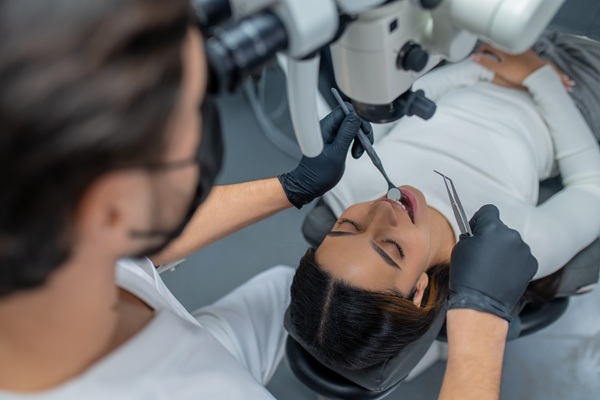
We use PRF treatment to make oral surgery easier for patients and give them better outcomes. This therapy uses the body's regenerative power to help speed healing and prevent infections during and after surgical procedures. PRF stands for platelet-rich fibrin, made from the patient's blood in a simple procedure. This article looks closely at PRF treatment and how it makes a difference in oral surgery.
What is PRF Treatment
You may have heard of PRP or platelet-rich plasma treatment used in injury and wound healing as well as some cosmetic and oral surgery procedures. PRF treatment is similar because it is also an analogous blood concentrate from the patient's blood. In addition, there is a similar process for both PRP and PRF. The surgeon draws blood from the patient and puts it in a centrifuge to separate elements promoting regeneration and healing.
However, when making PRF, the centrifuge works at a slower setting to isolate more growth factors. The end product of the process is a mesh made of fibrin, stem cells, platelets, and white blood cells. The white blood cells give PRF an antibacterial power, while the stem cells and platelets give it healing and regenerative power. Fibrin is a protein that holds the mesh together.
Applications for Oral Surgery
PRF treatment is used in oral surgical procedures to accelerate healing, encourage regeneration and provide an extra barrier against infections. This therapy can be implemented in soft or hard tissue procedures, including gum surgery, tooth extractions, and dental implant surgery.
PRF treatment can help prevent or decrease the risk of dry sockets after tooth extraction. Oral surgeons can also use PRF to stimulate bone growth in conjunction with a bone grafting procedure. The dental implant process can involve months of healing. However, incorporating PRF treatment can help shorten the healing process. PRF therapy can even help prevent dental implant failure. Other procedures that benefit from PRF include:
- Sinus lift procedures
- Ridge augmentation,
- Cleft palate surgery
- Repair of bone defects
Benefits of PRF Treatment
In addition to faster healing times, PRF treatment is making oral surgery easier for the patient in many ways. Patients can enjoy not only a shorter recovery but also one with reduced discomfort and swelling. Also, because it is made from the patient's own blood, the risk of inflammation or an adverse reaction is low. In addition, PRF gives patients extra protection against infection, one of the most significant worries after a surgical procedure. Finally, the procedure to create PRF is simple and can be carried out in the oral surgeon's office during the outpatient procedure.
Ask about making PRF part of your treatment plan
Our practice strives to deliver effective new technologies that benefit our patients. Thanks to PRF treatment, patients are facing shorter and more comfortable recovery times. To learn more about PRF treatment and how it can benefit you, call our office today. We look forward to hearing from you.
Request an appointment here: https://www.premieroralsurgeryct.com or call Premier Oral Surgery at (203) 945-0049 for an appointment in our Norwalk office.
Check out what others are saying about our services on Yelp: PRF Treatment in Norwalk, CT.
Related Posts
Appearance may be one of the first things people think about when it comes to tooth replacement. However, improved appearance is just one of the many benefits of replacing missing teeth. Tooth replacement can be key to improving not only how you feel about your smile but also boosting your oral health.Whether one chooses dentures,…
A sinus lift procedure goes by many other names, including sinus elevation, sinus augmentation, and sinus graft. It can be an important step in the process of having a dental implant placed in the upper jaw to replace a missing tooth. The procedure involves raising the floor of one of the maxillary sinuses and filling…
Bone grafting is a minor surgical treatment done under local anesthetic to replace depleted bone tissue. The grafting material may be inserted into a tooth socket just after a tooth is removed or at a location where a tooth has been absent for an extended period. Over the next few months, your body will produce…
If non-surgical methods cannot treat a patient's oral health issue, the patient may be a candidate for oral surgery. These procedures can include anything from a simple tooth extraction to a more complex procedure such as jaw surgery. However, besides need, patients must also fit other important criteria. Here are some key points patients should…