Achieve Better Breathing: Sinus Lift Procedure Benefits
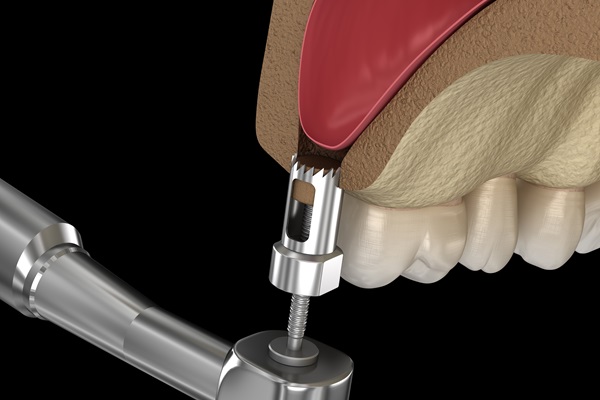
A sinus lift or sinus augmentation can build up your upper jaw. This procedure is invasive. The dentist will take healthy bone and place it in the section of the maxilla that needs it. Here are the sinus lift benefits that you must consider.
It restores dental function
Studies show that a thinning upper jawbone can result in the weakening of the upper teeth. A person’s ability to bite, chew, and speak can deteriorate because of this. Tooth loss may also occur because the teeth have thin bone support. The dentist may recommend a sinus lift to rebuild specific sections of the upper jaw.
It helps in the placement of dental implants
The need for implant surgery is a strong reason for getting a sinus lift. Jawbone loss results in spaces within the bone. These areas had teeth before. However, the moment the patient lost some upper teeth, the jawbone stopped receiving nutrients for tissue repair and restoration. That is why different sections of the upper jaw thin out.
Strengthening the upper jaw will enable it to support the titanium rods of the dental implants. The rods will be able to fuse with enough bone to keep the unit in place. A thickened upper jaw will prevent the rods from penetrating the sinuses. This can lead to a more comfortable bite when the procedure is over.
It prevents more jawbone loss
Clinical data show that tooth loss leads to jawbone loss. The dental spaces left will trigger dental shifting. The remaining teeth will try to fill these spaces. In doing so, these teeth will loosen. Without dental replacements, there will be more tooth loss. This will then result in more jawbone loss.
A sinus lift will restore the weakened areas of the upper jawbone. Placing dental implants in these areas of the jawbone will bring back the patient’s stable smile, bite, and speech. The rods can also serve as strong foundations for overdentures or even dental bridges. Dental functions will be restored, and jawbone loss will stop. This is because the jawbone will again receive nutrients that can trigger jawbone thickening and stability.
It brings back one’s youthful appearance
Research shows that upper jawbone loss deprives facial structures of proper support. This results in a sunken appearance. Specific areas of the face sag as well. Facial skin begins to develop wrinkles because it does not have proper support anymore. The individual then looks much older.
There are cases when a patient has trouble breathing and even experiences congestion. A sinus lift can raise and then reposition the sinus membrane. It can also thicken and strengthen the upper jaw. This can provide more support to the other facial structures, which can then stretch out and smoothen wrinkles.
Reasons for upper jawbone loss
An individual may have upper jawbone loss because of specific reasons. The sinus floor may be thin and shallow since birth. There could also be at least one tooth missing. The jawbone will weaken and thin out after this. Bone loss can also result from severe gum disease.
A sinus lift can help improve one’s look and ability to smile and breathe
The upper jawbone may not be thick enough because of many factors, such as genetics. Even so, a weak and thin jawbone can have a sinus lift to thicken. This can provide you with a complete upper jawbone for breathing, speaking, and biting. Working with your dentist can help thicken your jawbone and help you get used to a healthier bite.
Request an appointment here: https://www.premieroralsurgeryct.com or call Premier Oral Surgery at (203) 945-0049 for an appointment in our Norwalk office.
Check out what others are saying about our services on Yelp: Sinus Lift in Norwalk, CT.
Related Posts
Appearance may be one of the first things people think about when it comes to tooth replacement. However, improved appearance is just one of the many benefits of replacing missing teeth. Tooth replacement can be key to improving not only how you feel about your smile but also boosting your oral health.Whether one chooses dentures,…
A sinus lift procedure goes by many other names, including sinus elevation, sinus augmentation, and sinus graft. It can be an important step in the process of having a dental implant placed in the upper jaw to replace a missing tooth. The procedure involves raising the floor of one of the maxillary sinuses and filling…
Bone grafting is a minor surgical treatment done under local anesthetic to replace depleted bone tissue. The grafting material may be inserted into a tooth socket just after a tooth is removed or at a location where a tooth has been absent for an extended period. Over the next few months, your body will produce…
If non-surgical methods cannot treat a patient's oral health issue, the patient may be a candidate for oral surgery. These procedures can include anything from a simple tooth extraction to a more complex procedure such as jaw surgery. However, besides need, patients must also fit other important criteria. Here are some key points patients should…