Apicoectomy vs Root Canal Therapy – What Is the Difference?
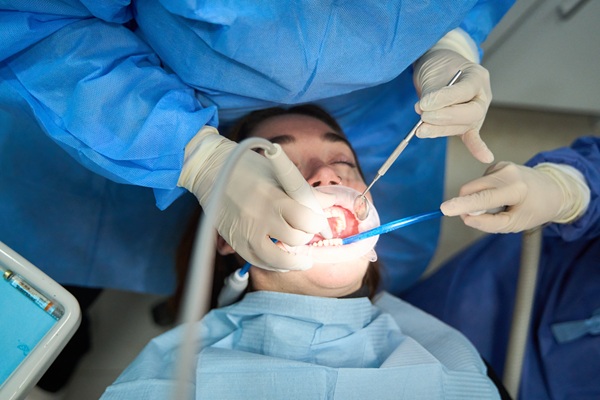
A root canal and apicoectomy are the two endodontic procedures that can save a tooth. Between the two surgeries, the root canal is the more common one. One will only get an apicoectomy if a root canal fails. If you want to know the difference between a root canal and an apicoectomy, here are the facts.
Root canal procedure
This procedure can restore a damaged tooth. Once the damage reaches the pulp of the tooth, infection will start to invade the tooth. Tooth decay and accidents are primary causes of pulp infection. If the structure of the tooth is still intact, the endodontist will perform a root canal. The endodontist will numb the area first with a local anesthetic.
Then, the endodontist will drill a small access hole in the center or the affected tooth. The endodontist will start to clean out the infected pulp with a special dental tool. Disinfection of the dental space will follow. Then, the endodontist will fill the tooth with gutta-percha. This filling material will also seal the access hole. If it is necessary, the endodontist will place a dental crown over the tooth to protect and strengthen it.
It is rare for the infection to persist after the root canal. If this happens, the endodontist will perform another root canal procedure. In other cases, hard deposits of calcium can fill the pulp cavity. This makes it challenging for root canal tools to reach the canals from the surface of the tooth.
Apicoectomy procedure
This procedure is for infections on the tooth root. Before the procedure, the endodontist needs to take the complete medical history of the patient. A physical exam follows. The endodontist needs to pay attention to the medications or recent face or sinus infections. Once the procedure is set, the patient must take antibiotics, drying agents, and anti-inflammatories before going to the clinic.
The endodontist will numb the area first with a local anesthetic. Then, the endodontist will access the infection by first incising the gum tissue next to the toot. The access point may be from the bottom or from the side. An operating microscope can help view and extract the infected tissue. To reach the tooth root, the endodontist must push aside some gum tissue.
The endodontist needs to take a few millimeters from the tip. Filling the tip with biocompatible material will come next. This will seal the root. The endodontist will stitch the gum tissue back. An apicoectomy can last for half an hour to one and a half hours, depending on the complexity of the case.
After the apicoectomy, the patient can return to work the following day. Complete healing will take about two weeks. New bone will grow back around the treated tooth after several months. After three to five days, the patient must go back to the clinic for suture removal. This will take about five to 10 minutes.
Both root canal and apicoectomy can extend the life of a tooth
The first solution to an infected pulp is a root canal procedure. If this procedure fails then it is up to the apicoectomy procedure to save your tooth. These treatments may have different access points, but they both aim to remove the infected tissue in and around the tooth. Seeing an endodontist can determine which procedure can help restore the damaged tooth.
Are you considering getting an apicoectomy in the Norwalk area? Get more information at https://www.premieroralsurgeryct.com.
Check out what others are saying about our services on Yelp: Apicoectomy in Norwalk, CT.
Related Posts
A sinus lift procedure goes by many other names, including sinus elevation, sinus augmentation, and sinus graft. It can be an important step in the process of having a dental implant placed in the upper jaw to replace a missing tooth. The procedure involves raising the floor of one of the maxillary sinuses and filling…
Bone grafting is a minor surgical treatment done under local anesthetic to replace depleted bone tissue. The grafting material may be inserted into a tooth socket just after a tooth is removed or at a location where a tooth has been absent for an extended period. Over the next few months, your body will produce…
If non-surgical methods cannot treat a patient's oral health issue, the patient may be a candidate for oral surgery. These procedures can include anything from a simple tooth extraction to a more complex procedure such as jaw surgery. However, besides need, patients must also fit other important criteria. Here are some key points patients should…
What patients do during the recovery period after oral surgery is an important part of the procedure's success. Though each patient's aftercare instructions and timeframe may look different, there are some universal similarities. Most importantly, patients should know the recovery timeline, be aware of possible complications, and understand how to care for themselves during this…