Full Arch Treatment: Before, During, and After
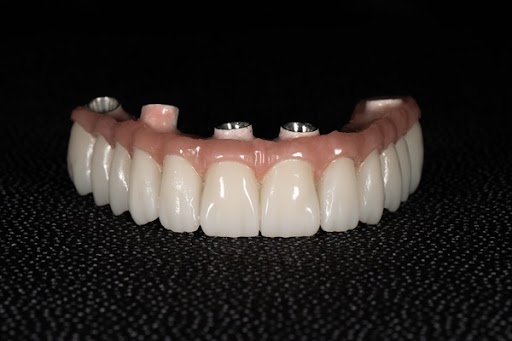
Full arch treatment offers a stable, natural-looking way to replace an entire row of teeth with dental implants and false teeth. The results are natural-looking and functioning, while preventing gum and bone resportion. Knowing what happens before, during, and after can help reduce stress and support a smooth healing process.
Determining full arch treatment candidacy
Full arch treatment serves people who are missing many teeth, dislike loose dentures, or need a full rebuild of a failing dental arch. Good candidates commit to careful oral hygiene, regular checkups, and healthy lifestyle choices. Bone quality, medical conditions, and goals guide the final plan. Consulting with an experienced oral surgeon clarifies whether full arch treatment fits each patient's needs and what steps lead to the best outcomes.
Before full arch treatment: Planning and preparation
Success begins with a detailed evaluation. The oral surgeon reviews health history, takes 3D imaging, and maps the bite plan to implant positions and the shape of the new teeth. Sedation options, timeline, and costs are explained in plain language so patients have clear expectations. To prepare well, patients should set up a few essentials ahead of time:
- Arrange a responsible ride for transportation after the surgery and help at home for the initial 24 hours of recovery.
- Stock soft, protein-rich foods (e.g., eggs, yogurt, soups) and plenty of water.
- Gather cold packs, prescribed medication (when able), and gauze.
Also, note that tobacco and nicotine products of any kind are strictly prohibited during this process and possibly after, as they are known to inhibit healing and increase bleeding significantly. It can also cause the body to reject the implant after installation.
During full arch treatment: The surgical visits
There will be multiple surgical visits. On the day of the initial care, which is also considered the major surgery, comfort and precision guide every step. Local anesthesia helps ensure there is no discomfort during the procedure. The surgeon places dental implant posts in the jaw to support a full arch bridge or denture and confirms stability with imaging and testing.
The second surgical visit will involve placing the implant's abutment, which attaches to the top of the post and anchors the restoration. In many cases, a temporary set of teeth is attached the same day, so the smile looks complete while healing begins. The oral surgeon confirms if this approach fits the case.
After full arch treatment: Healing and follow-up
Between the first two surgical visits, patients will enter osteointegration. This process refers to the implant posts fusing with the jawbone. Nevertheless, after both surgeries, expect mild bleeding, swelling, and stiffness to peak within 48-72 hours, then steadily improve. Cold packs in short intervals help with puffiness on day one, while gentle warmth can feel better after the first day.
A soft diet protects the surgical areas, and careful cleaning keeps the tissues healthy. Follow-up visits check healing, adjust bite if necessary, and confirm that implants are integrating with the bone. After several months—between six and nine— the oral surgeon will craft and place the final restoration.
Schedule a consultation
When thoughtfully planned and supported with good habits, full arch treatment can deliver a strong bite and natural appearance for years to come. Are you interested in learning if this treatment is right for you? Contact Premier Oral Surgery today and schedule a consultation.
Request an appointment here: https://www.premieroralsurgeryct.com or call Premier Oral Surgery at (203) 945-0049 for an appointment in our Norwalk office.
Check out what others are saying about our services on Yelp: Full Arch Treatment in Norwalk, CT.
Related Posts
We use PRF treatment to make oral surgery easier for patients and give them better outcomes. This therapy uses the body's regenerative power to help speed healing and prevent infections during and after surgical procedures. PRF stands for platelet-rich fibrin, made from the patient's blood in a simple procedure. This article looks closely at PRF…
Appearance may be one of the first things people think about when it comes to tooth replacement. However, improved appearance is just one of the many benefits of replacing missing teeth. Tooth replacement can be key to improving not only how you feel about your smile but also boosting your oral health.Whether one chooses dentures,…
A sinus lift procedure goes by many other names, including sinus elevation, sinus augmentation, and sinus graft. It can be an important step in the process of having a dental implant placed in the upper jaw to replace a missing tooth. The procedure involves raising the floor of one of the maxillary sinuses and filling…
Bone grafting is a minor surgical treatment done under local anesthetic to replace depleted bone tissue. The grafting material may be inserted into a tooth socket just after a tooth is removed or at a location where a tooth has been absent for an extended period. Over the next few months, your body will produce…