How To Prepare for IV Sedation Ahead of Oral Surgery
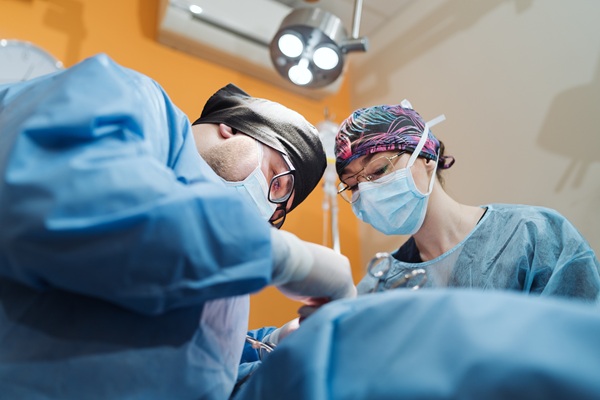
During an oral surgery procedure, surgeons often recommend IV sedation to help you feel comfortable and relaxed. When you know what to expect during the preparation process, your experience can be easier and safer from start to finish. Planning before your surgery helps make the treatment more effective and supports the long-term success of your procedure.
Understanding IV sedation in oral surgery
IV sedation involves an oral surgeon and their team administering medication through the patient's vein. This creates a deeply relaxed state during oral surgery. This method is frequently selected for procedures such as tooth extraction, dental implant placement, and maxillomandibular surgery. IV sedation allows the dental team to work efficiently while minimizing the patient's awareness, anxiety, and discomfort. Due to the effects of this sedation on consciousness and reflexes, preparation is a critical part of the patient's long-term care plan.
Pre-surgical consultation and medical review
A thorough medical review is essential before undergoing IV sedation. During the consultation, the oral surgeon evaluates the following:
- Medical history
- List of current medications
- Allergies to anesthesia
- Medical conditions (e.g., heart disease, sleep apnea, and respiratory disorders)
Accurate and complete disclosure of health information supports safe sedation planning and reduces the risk of complications during oral surgery.
Fasting and dietary guidelines
One of the most important preparation steps for IV sedation is following fasting instructions. Patients are typically instructed to avoid food and drink for a specified period before surgery, typically 6 to 8 hours. Fasting reduces the risk of nausea, vomiting, or aspiration while under sedation. In some cases, limited water intake may be allowed for essential medications, but this guidance should always come directly from the oral surgery team.
Managing medication before surgery
Patients may need to pause taking certain prescriptions, supplements, or over-the-counter medications before surgery. The surgical team will typically review blood-thinning agents, herbal supplements, and anti-inflammatories. The oral surgeon may also prescribe medications for patients to take before or after the procedure to support comfort and healing. When individuals follow these instructions carefully, they can contribute to both their safety during sedation and surgical outcomes.
Clothing, oral hygiene, and day-of-surgery preparation
On the day of oral surgery, comfortable, loose-fitting clothing is recommended. Short sleeves allow easier access for monitoring and IV placement. Patients should avoid wearing jewelry, contact lenses, and makeup; these items can interfere with monitoring equipment. Additionally, they will need to maintain their normal hygiene routines, including brushing teeth without swallowing water, to promote a clean and safe surgical environment.
Transportation and post-sedation care planning
IV sedation impairs coordination, judgment, and reflexes. As a result, patients are not permitted to drive themselves home after oral surgery. Instead, they should arrange for a responsible adult to provide transportation and remain available for the initial recovery period, which is typically required. Post-sedation effects may include drowsiness, mild confusion, or fatigue, making supervision important during the first several hours after discharge.
Learn more about how Premier Oral Surgery uses IV sedation
When you closely follow the above guidelines, IV sedation can support a calm, controlled, and successful surgical experience while promoting comfort and safety throughout the procedure. Do you have questions for the Premier Oral Surgery? Reach out to our Norwalk office today to learn more about how we use IV sedation during our surgical procedures.
Request an appointment here: https://www.premieroralsurgeryct.com or call Premier Oral Surgery at (203) 945-0049 for an appointment in our Norwalk office.
Check out what others are saying about our services on Yelp: Read our Yelp reviews.
Related Posts
A sinus lift procedure goes by many other names, including sinus elevation, sinus augmentation, and sinus graft. It can be an important step in the process of having a dental implant placed in the upper jaw to replace a missing tooth. The procedure involves raising the floor of one of the maxillary sinuses and filling…
Bone grafting is a minor surgical treatment done under local anesthetic to replace depleted bone tissue. The grafting material may be inserted into a tooth socket just after a tooth is removed or at a location where a tooth has been absent for an extended period. Over the next few months, your body will produce…
If non-surgical methods cannot treat a patient's oral health issue, the patient may be a candidate for oral surgery. These procedures can include anything from a simple tooth extraction to a more complex procedure such as jaw surgery. However, besides need, patients must also fit other important criteria. Here are some key points patients should…
What patients do during the recovery period after oral surgery is an important part of the procedure's success. Though each patient's aftercare instructions and timeframe may look different, there are some universal similarities. Most importantly, patients should know the recovery timeline, be aware of possible complications, and understand how to care for themselves during this…