Understanding Bone Grafting: How It Restores Jawbone Health and Strength
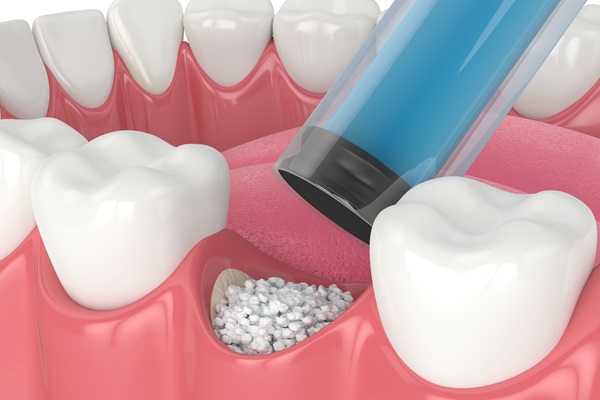
The jawbone is the part of the face that holds many essential elements together, such as the teeth, ligaments, and muscles; however, bone grafting may sometimes be necessary if the jawbone is too weak to perform these tasks. A person’s jawbone can deteriorate over time, whether due to age, genetics, poor oral health, cancer, or any of a variety of other reasons.
The good news is that bone grafting can restore the jawbone to functional strength and health. While the process cannot be completed in just a day or two, its results are long-lasting and can open the way for other useful treatments.
How bone grafting works
Bone grafting is the process of bulking up the jawbone so it is stronger and less brittle, narrow, or fragile than before. Not all patients will need bone grafts, but those who do should understand what goes into the process.
Who needs bone grafting?
Most patients will go their lives without requiring a bone graft to have dental work done. However, in some cases, a bone graft is necessary for dental procedures like implant placement. A person will typically need a bone graft when their jawbone does not have enough support or material to withstand a procedure.
For instance, dental implants require that a metal post be screwed into the jawbone, onto which a false tooth can be affixed. This is a useful tooth replacement option, as the metal post replicates the biting forces of a tooth root. However, if a person’s jawbone is not strong enough to hold the post, the implant post may shift and move, leading to a failed implant. This is one case in which a bone graft could be necessary.
How bone grafting is done
To perform a bone graft, the dentist will collect bone tissue from somewhere else in the body. This is often the roof of the mouth, but it can also come from the chin, the hip, or even a bank of other people’s bone tissue. Then, the dentist will place this grafted bone material onto the weakened area. Over time, the new tissue will fuse with the existing bone to become denser and stronger.
The recovery process
A bone graft can take a while to recover from, but it is only the first few days that pose the greatest inconvenience. Since bone grafts access the bone underneath the skin or gums, patients will need to eat a soft food or liquid diet to enable the surgical site to heal.
Afterward, they can manage their pain with over-the-counter pain relief options. Then, it is simply a matter of waiting (often for around six months) for the new bone to fuse with the existing structures.
Get bone grafting to restore jawbone health
A bone graft is an in-depth process, but it can open up many possibilities for dental implants and other restorations that may not have been possible otherwise. Our experienced team can help you recover quickly from a bone graft so you can get back to living your life to the fullest. Contact our office to ask questions about a potential bone graft, to address any of your concerns, or to schedule an appointment for evaluation.
Request an appointment here: https://www.premieroralsurgeryct.com or call Premier Oral Surgery at (203) 945-0049 for an appointment in our Norwalk office.
Check out what others are saying about our dental services on Yelp: Will I Need a Bone Graft for Dental Implants in Norwalk, CT.
Related Posts
During an oral surgery procedure, surgeons often recommend IV sedation to help you feel comfortable and relaxed. When you know what to expect during the preparation process, your experience can be easier and safer from start to finish. Planning before your surgery helps make the treatment more effective and supports the long-term success of your…
Botox® (botulinum toxin type A) can play a supportive role in oral and maxillofacial care when muscle-driven jaw and facial conditions do not respond well to first-line therapies. Oral surgeons sometimes use Botox to reduce excessive muscle activity, calm painful muscle trigger patterns, and support functional recovery in carefully selected cases. Botox works by inhibiting…
Wisdom teeth extraction may be necessary to achieve better dental health. Research shows that the third molars often emerge after all your teeth have erupted. Wisdom teeth may not be a problem at all. But in some cases, the dentist will recommend their removal. Here are the details on how a wisdom teeth extraction happens.This…
For individuals with extensive tooth loss or poorly fitting dentures, All-on-4® dental implants offer a long-lasting solution. This innovative approach supports a full arch of prosthetic teeth using just four implants, providing stability, comfort, and a natural appearance. Those considering an All-on-4 benefit from understanding who qualifies and how this option helps restore confidence and…