When Is It Necessary To See An Oral Surgeon?
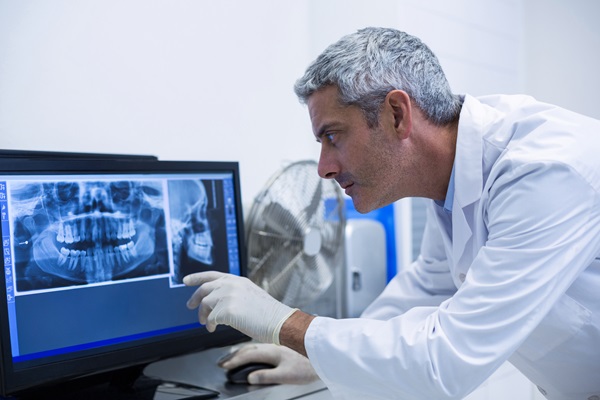
An oral surgeon rarely provides first-line dental care. That is the job of a general dentist, whose role is to provide holistic care that covers all aspects of oral health. So it is not every day that a patient makes an appointment with an oral surgeon.
The role of an oral surgeon is to increase the chances of a good outcome for patients that need oral surgery. They perform challenging procedures that involve the teeth, gums, soft tissue, jawbone, facial muscle and facial bone. This is a wide scope that covers numerous surgical procedures. Read on to find out the kinds of oral health conditions that make it necessary for a patient to see an oral surgeon.
What an oral surgeon does
Oral and maxillofacial surgeons are dentists who pursue surgical training after they graduate dental school. They proceed to spend four to six years in a hospital-based surgical residency.
During this time, the future oral surgeon gains hands-on experience that touches on the structures of the face and oral cavity. This includes the teeth, jawbone, as well as the nerves and connective tissue that connect them. Oral surgeons also treat injuries and disorders that affect the face, especially the mouth area.
Situations where a patient gets a referral for an oral surgeon
A good general dentist will consult the appropriate specialist if their patient needs it. So will a cosmetic dentist or a medical doctor with a patient that needs oral surgery. A patient will need an oral surgeon if:
1. They have a complex dental issue
Some oral health problems should be resolved by a specialist to ensure a good long-term outcome. Here are a few examples:
- An impacted wisdom tooth that sits inside the jawbone
- Unsuccessful root canals
- Complex root canal anatomy that puts the patient at risk of failed root canal therapy
2. The patient requires dental implant surgery
A prosthodontist or general dentist can perform dental implant surgery. However, oral surgeons have a wider knowledge base that covers the anatomy of the jaw, adjacent nerves and sinuses. They are in an excellent position to place dental implants even when nerves and sinuses are in the way.
Oral surgeons have excellent success rates when it comes to dental implant surgery. It helps that they have plenty of experience in anticipating complications. They also know how to deal with post-op complications to prevent dental implant failure.
3. The patient needs jaw surgery as part of orthodontic treatment
Patients with severe teeth crowding or jaw misalignment often require surgery to expand or otherwise reshape the jaw. An oral surgeon is the best dental specialist when it comes to corrective jaw surgery
4. Oral surgeons perform reconstructive jaw surgery
Injury, illness or deformity can damage the jaw. Oral and maxillofacial surgeons have the skill to restore the function, structure and aesthetic of the jaw and by extension, the face.
5. A patient with a cleft lip or cleft palate needs an oral surgeon
Oral and maxillofacial surgeons operate on the soft tissues of the face and oral cavity. They can correct issues like a cleft lip or soft tissue damage to the face.
An oral surgeon will walk you through every step of treatment
So if you need one, get in touch with us. Our oral surgeon will put their experience and training at your disposal. They will work with you to ensure a great outcome.
Request an appointment here: https://www.premieroralsurgeryct.com or call Premier Oral Surgery at (203) 945-0049 for an appointment in our Norwalk office.
Check out what others are saying about our dental services on Yelp: Oral Surgery in Norwalk, CT.
Related Posts
If non-surgical methods cannot treat a patient's oral health issue, the patient may be a candidate for oral surgery. These procedures can include anything from a simple tooth extraction to a more complex procedure such as jaw surgery. However, besides need, patients must also fit other important criteria. Here are some key points patients should…
What patients do during the recovery period after oral surgery is an important part of the procedure's success. Though each patient's aftercare instructions and timeframe may look different, there are some universal similarities. Most importantly, patients should know the recovery timeline, be aware of possible complications, and understand how to care for themselves during this…
Your oral surgery consultation is necessary before you go through the procedure. This visit will give your provider enough information about your dental and general health. It is also a chance for you to inquire about the surgery. Here are three questions that you can ask your provider before your oral surgery.Each procedure and patient…
Oral surgery may be a more appropriate and effective treatment solution when conservative treatments fall short in providing relief for TMJ disorders. In this review, we dive into oral surgery treatment for TMJ disorder, exploring when it is recommended and how it can offer a path to pain reduction and improved jaw function.Oral surgery can…